Joelene’s mental health story
May 15, 2025
Joelene was diagnosed with depression at 14, became a teenage mum at 15, and came out to her family as a lesbian at 16. She was out and proud until 2017 (aged 24) before a traumatic homophobic experience changed her life.
In her blog, Joelene writes about her mental health journey and hopes to help people who may have experienced any violence or abuse because of their sexuality.
Warning: There is language in this post that some readers may find offensive.
If you are affected by Joelene’s story, please visit our Support for LGBTQ+ page for a full list of support services.
Joelene’s story:
It was Easter 2017, and I was in a new relationship with my girlfriend.
We were out with a few other friends, enjoying karaoke, before leaving the pub to walk home.
Holding my partner’s hand, we walked away from the pub, but as we walked, I heard a man shout ‘you dykes’ from behind us.
I turned around and saw a large group of men coming out of a community centre, heading towards us.
In a matter of minutes, I was attacked, punched and knocked unconscious.
I woke up to a group of men attacking my friendship group.
My whole life and existence changed in that five-minute attack.
All four of us ended up in hospital.
Physically, I recovered from the traumatic attack that night. But mentally, I was severely impacted.
I was house bound for two years afterwards and gave up my career as a DJ.
I struggled to open up and masked my feelings about the experience for a long time.
It wasn’t until my girlfriend (now wife – I’m happy to say I married the partner I was with that night, and we’ve been happily married for seven years 😊) – it wasn’t until she thought something was wrong and that it was her fault, that I finally broke down and shared my feelings with her.
I was experiencing nightmares, flashbacks, and intrusive thoughts from the homophobic attack.
I initially contacted Talking Therapies but there was a waitlist, so I approached the Positive Minds team at Solent Mind and was able to access support through them.
At that point, I was emotionally exhausted and feeling drained.
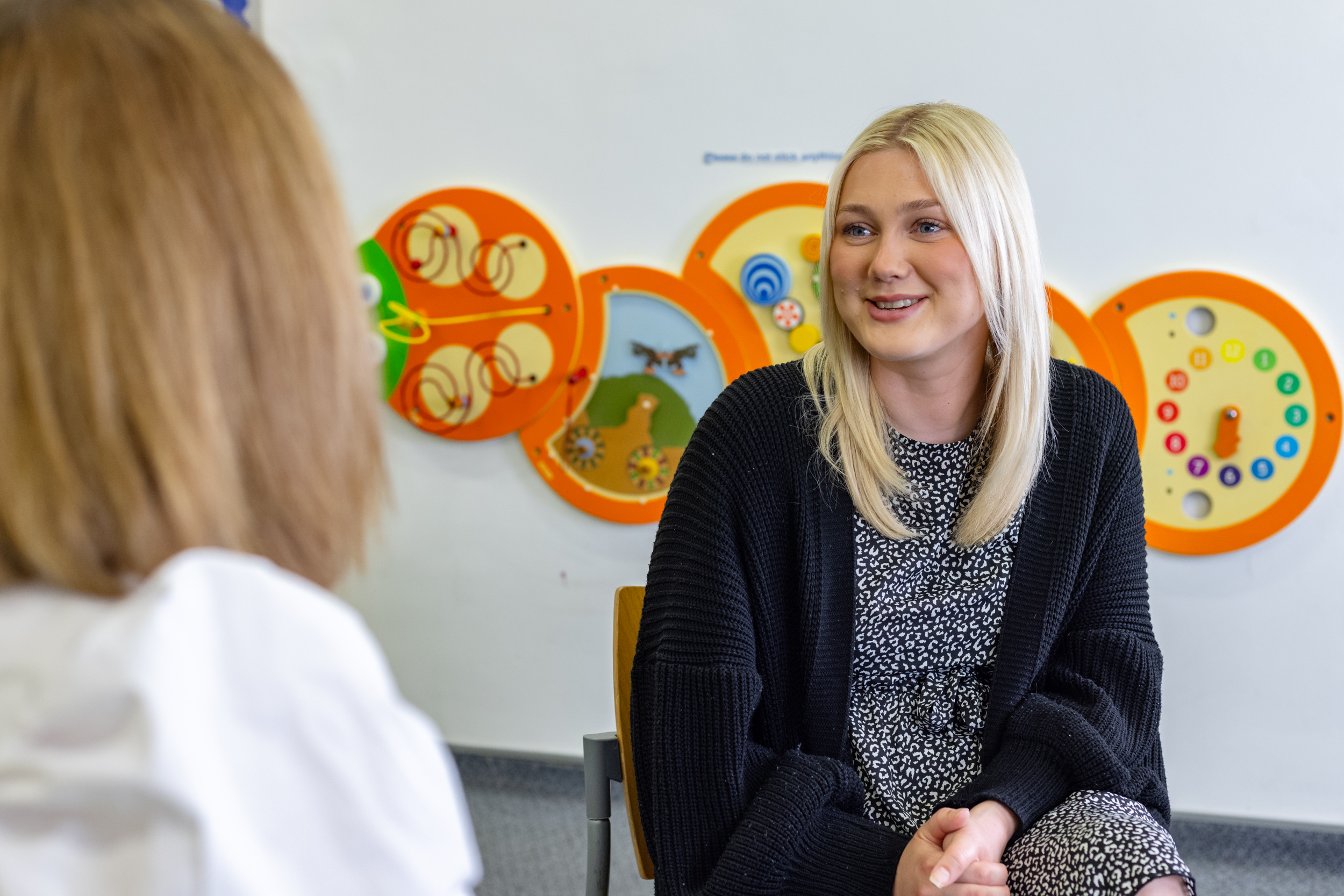
At Positive Minds, I was greeted by a warm and friendly professional who made me a cup of tea and waited to see me. I spoke with a lovely counsellor for what felt like a long time, and I was able to share everything openly while she listened with compassion.
For the first time in a very long while, I felt safe.
When asked about my goals for the session, I jokingly mentioned that I hoped to use this experience to help others someday, perhaps even working in this field – something I never anticipated would become a reality. But if this story, and the work I’ve been doing since can help to support just one person, I know sharing my story has been worth it.
After the initial support, I was assigned a wonderful therapist who diagnosed me with post-traumatic stress disorder (PTSD) and began compassion-focused therapy with me. I started practicing meditation and mindfulness, which proved very effective in calming my overactive mind.
And my therapist introduced me to the concept of “naming the voice” – identifying my negative inner voice with names like Amy the amygdala and Harry the hippocampus – and telling it to stop when it becomes destructive.
It might sound silly, but it worked.
I also learned grounding techniques such as using smells to bring me back to a calm and centred state when I feel overwhelmed.
It was all very helpful, and I initially believed I was “cured.”
However, I soon realised that the healing process and mental health is an ongoing journey.
I still have damage. I am still diagnosed with PTSD. And I still find it difficult to express my identity openly.
Apart from at Pride, I fear holding my wife’s hand in public. And I won’t show my arm tattoos for fear of persecution.
The attack has caused lasting damage, and PTSD changes you as a person; making you do things that seem silly to others.
I catastrophise and over think every situation, and hyper fixate when it comes to my safety, both in my home or being out.
I do go out; I’ve started enjoying things again and I’ve gone back to employment.
I avoid the location it happened in completely which is hard in a small city.
A few years ago, I decided to seek further support through Talking Therapies again, and I was assigned an incredible therapist who specialises in eye movement desensitisation and reprocessing (EMDR) therapy.
Progress was slow and inconsistent, and I felt like I had returned to square one – and this time it felt even worse because I thought I had overcome these challenges.
But one of the most important lessons I learned is that healing is not a straight line. Progress may be nonlinear. And setbacks are part of the process.
I was encouraged to shift my mindset from “I’m back at the start” to appreciating that each visit is a step towards a better, healthier me, and that the mental health services are there to help.
Every time I seek help; I gain a little more insight and healing.
I now understand that it’s okay for my mental health to fluctuate. That I am not alone. And that supportive people are available whenever I need them.
The triggers are still very much present but with support of friends and family they are getting easier to manage.
I have gone from not being able to look people in the eye to helping others and mixing with different people on a daily basis.
I have used my experience, I believe, in the best way possible since.
I now work in mental health, and I am back on the road of being proud to be me again.
If it can help one person to not feel alone, that would make me so proud.
Not feeling able to hold my wife’s hand in public anymore hurts us both.
But we do have faith that we’ll get there eventually.
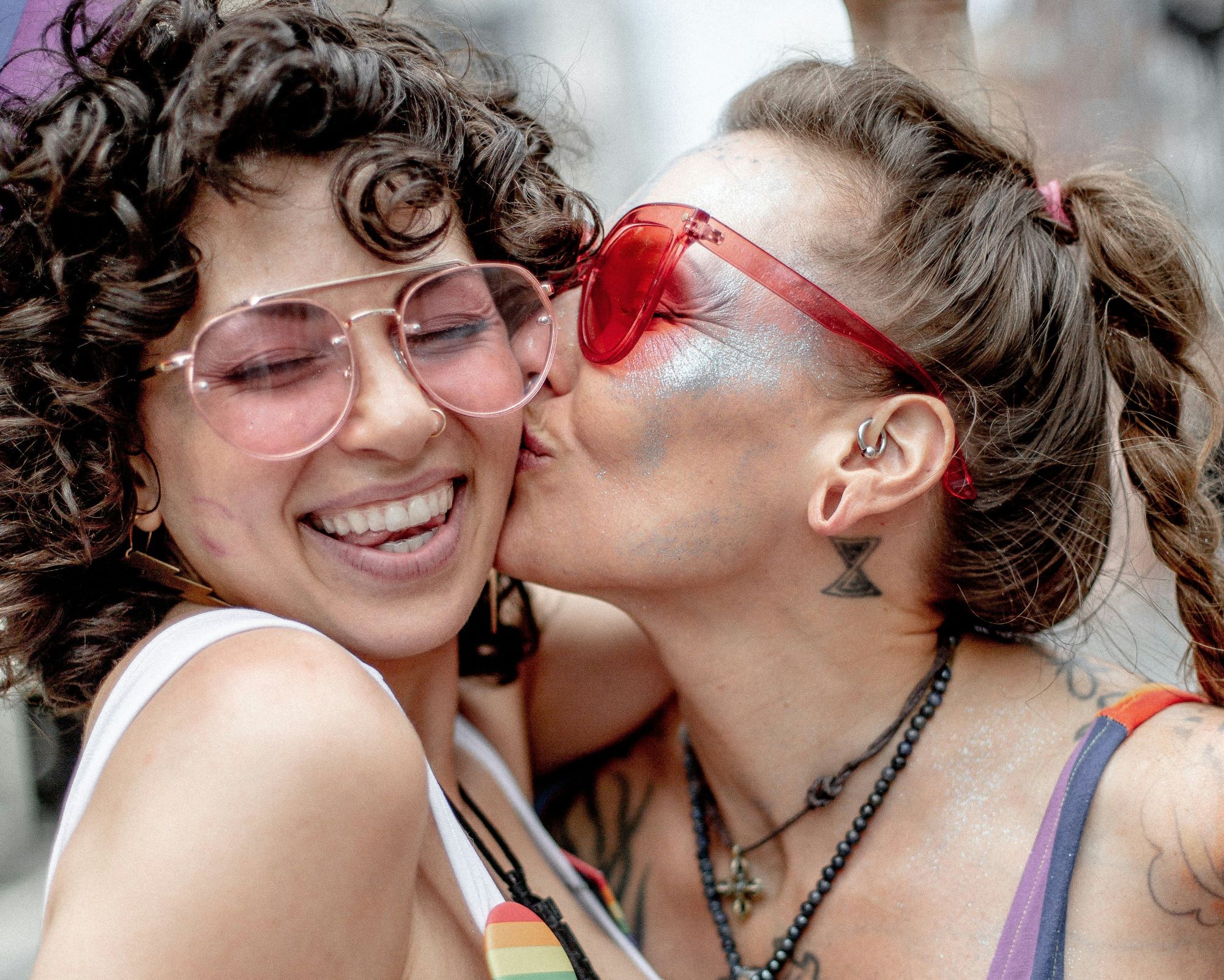
And until then, we know we can be both ourselves, together, at Pride.